At a Glance
| Parameter | Detail |
|---|---|
| Mechanism | Calcium flux modulation, nitric oxide signaling, central sensitization reset |
| Evidence quality | Moderate — multiple RCTs, heterogeneous protocols |
| Key frequencies | 8–25 Hz (Schumann range), some protocols use 50–100 Hz |
| Intensity | Low-to-medium (0.1–5 mT) — higher is not better for fibromyalgia |
| Session duration | 30–60 minutes |
| Minimum course | 8 weeks for meaningful symptom change |
| Best candidates | Fibromyalgia with dominant pain, sleep disruption, or fatigue components |
| Caution | Pacemakers, active bleeding, pregnancy, implanted electronic devices |
| Pairs well with | LDN, sleep hygiene, low-impact exercise, magnesium, vagus nerve work |
Fibromyalgia sits at the intersection of neurology, rheumatology, and pain medicine — and conventional pharmacology has disappointed patients for decades. Pregabalin, duloxetine, and milnacipran each deliver modest NNT figures and come with side-effect burdens that push many patients out of treatment within a year. In the search for effective adjuncts, pulsed electromagnetic field (PEMF) therapy has accumulated a credible body of evidence that warrants clinical attention. This is not fringe medicine; the mechanism is biochemically grounded, several randomised controlled trials exist, and patients often report improvements in domains that matter most to them: sleep quality, morning stiffness, and the ability to function through the day.
What Happens in the Fibromyalgia Brain — and Why PEMF Is Relevant
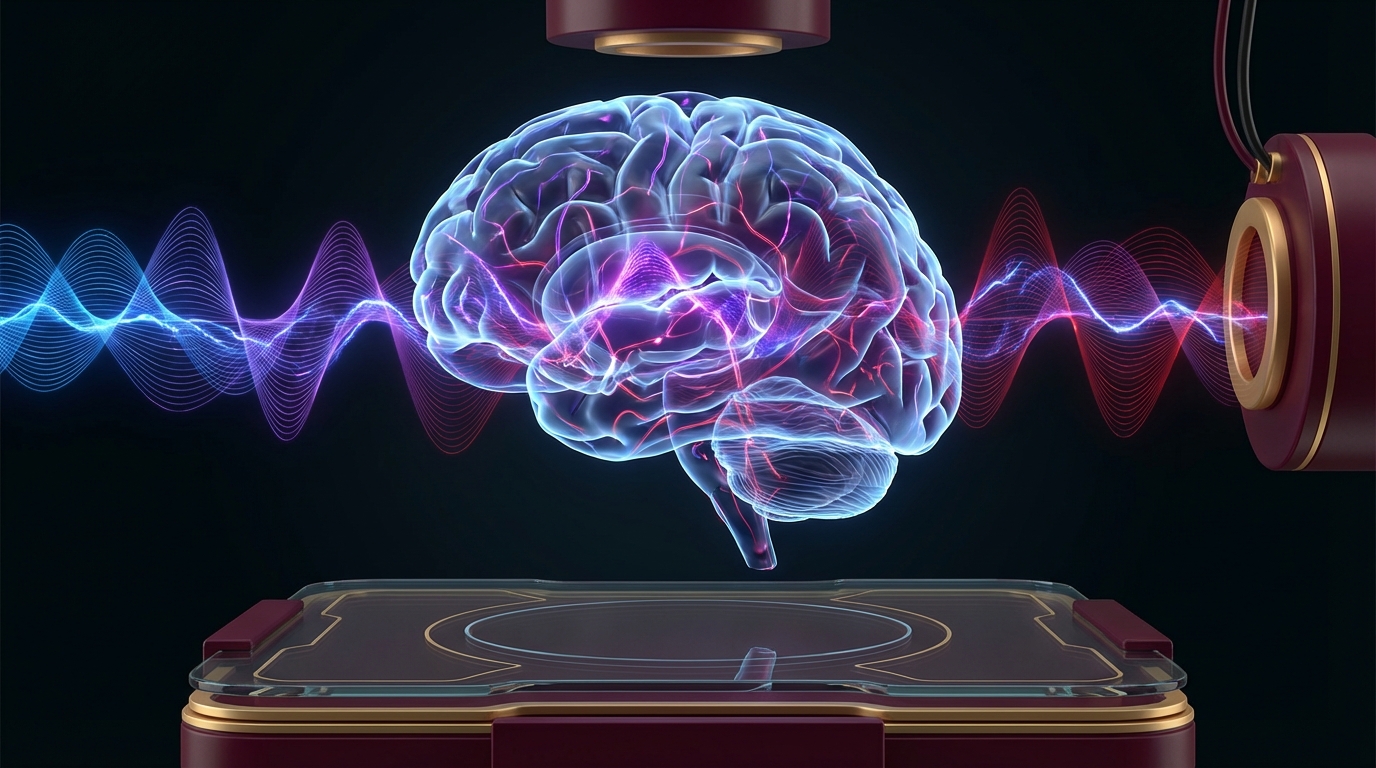
Fibromyalgia is best understood as a state of central sensitisation — an amplification of pain signals at the level of the spinal cord and brain, not simply damage in peripheral tissues. Functional MRI studies consistently show augmented activity in pain-processing regions, altered thalamic gating, and reduced inhibitory descending pathways. This is why tender points are tender everywhere, why light touch can be perceived as painful, and why emotional stress reliably flares the condition.
PEMF’s proposed relevance to this picture runs through three pathways:
1. Calcium channel and ion flux modulation. PEMF influences voltage-gated calcium channels at the cell membrane. In neural tissue, shifts in intracellular calcium affect neurotransmitter release and synaptic excitability. There is evidence that low-frequency PEMF downregulates the hyper-excitable state of sensory neurons — essentially applying a calming influence to over-firing pain circuits.
2. Nitric oxide and microcirculation. Fibromyalgia patients consistently show impaired tissue oxygenation and microvascular dysfunction. PEMF promotes endothelial nitric oxide synthase (eNOS) activity, improving local blood flow in muscles and connective tissue. This may partly explain the reduction in trigger point tenderness and morning stiffness observed in trials.
3. Mitochondrial ATP production. Many fibromyalgia patients exhibit measurable mitochondrial dysfunction — low ATP output, elevated lactate at rest, and impaired oxidative phosphorylation. PEMF stimulates ATP synthesis through effects on the electron transport chain, particularly cytochrome c oxidase. Higher cellular energy availability supports tissue repair and reduces the energetic deficit that contributes to post-exertional malaise.
What the Clinical Evidence Shows
The evidence base is moderately strong by integrative medicine standards, though heterogeneity in device type, frequency, and outcome measures makes direct comparison difficult.
Systematic reviews and meta-analyses. A 2021 meta-analysis of electromagnetic therapies in fibromyalgia (Paolucci et al., Clin Rheumatol) found significant reductions in pain VAS scores, fatigue, and sleep disturbance across included studies. Effect sizes were modest to moderate — comparable to pharmacotherapy but without the side-effect profile. The authors identified low-frequency, longer-duration courses as the more effective protocol category.
The Sutbeyaz et al. RCT (2009, Rheumatol Int) is frequently cited as a landmark trial. Sixty fibromyalgia patients were randomised to real or sham PEMF applied to the trunk for 30 minutes daily, five days per week, over three weeks. Active PEMF produced significantly greater reductions in Fibromyalgia Impact Questionnaire (FIQ) scores, pain intensity, and fatigue compared to sham. Improvements persisted at one-month follow-up.
Sleep-specific findings are clinically important given that disrupted slow-wave sleep is both a hallmark and a driver of fibromyalgia symptom burden. Several studies report that PEMF — particularly protocols using delta-range frequencies (0.5–4 Hz) delivered at night or before bed — improves sleep architecture. This creates a positive feedback loop: better sleep reduces central sensitisation, which reduces pain the following day.
Where the evidence is weaker: No large, multisite RCT has established an optimal PEMF protocol. Head-to-head comparisons with standard pharmacotherapy are limited. Long-term (12+ month) durability data is largely absent. For patients seeking certainty, this is a limitation; for clinicians comfortable with individualized medicine and real-world efficacy, the safety profile and patient-reported outcomes make PEMF a reasonable recommendation.
Clinical Protocol: How We Use PEMF for Fibromyalgia
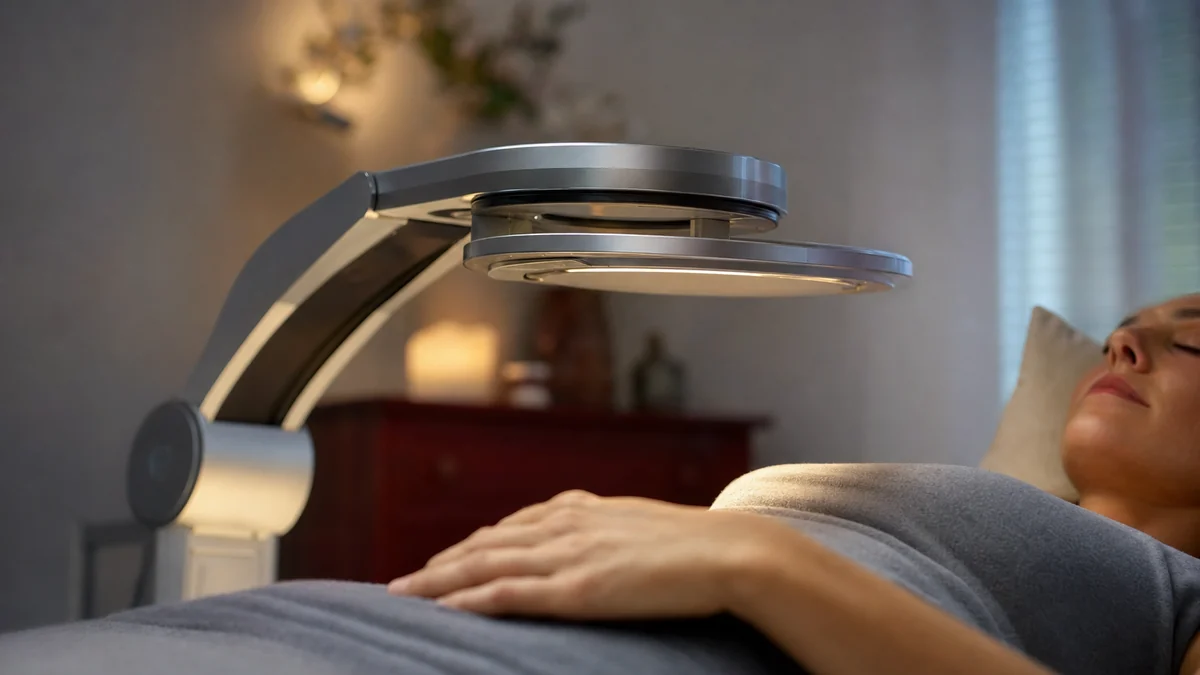
In my practice, PEMF for fibromyalgia follows a structured approach with patient-specific adjustments:
Phase 1: Foundation (Weeks 1–4)
- Frequency: 8–15 Hz (alpha-theta boundary, calming to sensory cortex)
- Intensity: 0.5–1.5 mT: the fibromyalgia nervous system often over-responds to high intensity; start low
- Duration: 30 minutes per session
- Target areas: Whole-body mat or localised to lumbar spine + trapezius region
- Frequency of sessions: Daily or five times weekly
- Goal: Establish nervous system tolerance, begin addressing sleep disruption
Phase 2: Active Treatment (Weeks 5–12)
- Frequency: 15–25 Hz (mid-beta; appropriate for daytime sessions targeting pain modulation)
- Intensity: 1–3 mT, adjusted based on patient tolerance and reported response
- Duration: 45–60 minutes
- Add-on: Pre-sleep sessions using 0.5–3 Hz delta frequencies for sleep quality
- Goal: Reduce pain scores, improve daytime function, lower FIQ scores
Phase 3: Maintenance
After a 12-week acute course, most patients benefit from 2–3 sessions per week indefinitely, particularly around high-stress periods or seasonal flares. Home devices (smaller, lower-intensity than clinical units) can sustain gains between clinic appointments.
Device Considerations
Clinical-grade PEMF devices (Bemer, Curatron, PAPIMI-class, or mat systems with programmable frequency) deliver more consistent fields than consumer devices. Patients investing in home units should look for devices with documented frequency ranges, adjustable intensity, and third-party field verification. Manufacturer claims should be weighed skeptically; the evidence supports the PEMF category, not any specific commercial brand.
Patient Selection: Who Responds Best
Not every fibromyalgia patient is a candidate for PEMF as a primary adjunct. Clinical experience suggests the following subgroup characteristics predict better outcomes:
Better candidates:
- Patients whose fibromyalgia has strong sleep disruption or non-restorative sleep as a dominant feature
- Patients with concurrent myofascial pain and trigger points (PEMF appears to directly soften muscle hypertonicity)
- Patients who have failed or cannot tolerate standard pharmacotherapy
- Patients with overlapping fatigue syndromes (ME/CFS, post-COVID) where mitochondrial support is desirable
- Patients motivated to self-manage and willing to use a home device consistently
Weaker candidates / use caution:
- Patients with predominantly psychological drivers (severe depression, PTSD, secondary gain) — these require primary psychological treatment first
- Patients with severely disrupted routines who cannot commit to daily sessions during the acute phase
- Patients with multiple electronic implants (consult the device manufacturer and cardiologist)
Combining PEMF with Other Fibromyalgia Treatments
PEMF is not a monotherapy. In complex fibromyalgia, the strongest outcomes emerge from multi-modal programmes:
PEMF + Low-Dose Naltrexone (LDN). LDN modulates microglial activity and reduces neuroinflammation via TLR4 antagonism. PEMF works at the cellular and field level. Together, they address central sensitisation through different mechanisms. The combination is well-tolerated and increasingly common in integrative practice. See our detailed LDN article for fibromyalgia-specific dosing.
PEMF + Vagus Nerve Stimulation (VNS). The vagus nerve regulates the autonomic nervous system tone that underpins pain amplification in fibromyalgia. Daily auricular VNS exercises (breathing, humming, cold water) combined with PEMF sessions addresses the same central target from multiple angles. Patients with strong autonomic dysregulation benefit most from this combination.
PEMF + Sleep Optimisation. Since non-restorative sleep drives fibromyalgia biology, treating sleep is mandatory, not optional. PEMF with pre-sleep delta protocols should be paired with sleep hygiene, avoiding blue light, and addressing sleep apnea when present. Magnesium glycinate (400–600 mg) before bed complements both PEMF’s relaxation effects and the broader sleep architecture work.
PEMF + Graded Exercise. Paradoxically, deconditioned patients need exercise to recover, but exercise flares fibromyalgia. Pre-exercise PEMF appears to reduce post-exertional malaise in some patients, potentially by preloading mitochondrial ATP availability and reducing the inflammatory response to exertion. Low-impact modalities (swimming, cycling, yoga) in 10–20 minute increments are most appropriate.
Practical Considerations and Contraindications
Contraindications:
- Active electronic implants (pacemakers, cochlear implants, deep brain stimulators)
- Pregnancy
- Active bleeding or haemorrhagic disorders
- Over areas of acute local infection or malignancy
Expected side effects: Most patients tolerate PEMF well. A small subset experience transient worsening of pain in the first 1–2 weeks (“initial flare”), which typically resolves and may indicate a treatment response. Very rarely, headache or dizziness follows high-intensity sessions — managed by reducing intensity. These reactions are generally milder than the side effects of standard fibromyalgia pharmacotherapy.
Realistic expectations: Patients should be counselled that PEMF is not a rapid cure. Meaningful, sustained improvements typically emerge over 8–12 weeks of consistent use. The goal is a 20–40% reduction in FIQ scores and improved sleep quality — clinically meaningful changes that restore function, even if not complete pain elimination.
Patients with co-existing osteoarthritis alongside fibromyalgia represent a common clinical overlap; for this subgroup, a dedicated PEMF for osteoarthritis protocol describes the OA-specific parameters that can be run concurrently.
Related Articles
- PEMF Therapy: Complete Guide to Mechanisms and Applications: overview of PEMF across conditions
- PEMF Therapy Side Effects and Safety: full contraindication and tolerability data
- Low-Dose Naltrexone for Fibromyalgia: how LDN complements PEMF
- Vagus Nerve Stimulation Exercises: protocol for autonomic regulation
- Ozone Therapy for Fibromyalgia: another integrative option with overlapping evidence
References
- Paolucci T, et al. Electromagnetic field therapy: a rehabilitative perspective in the management of musculoskeletal pain — a systematic review. J Pain Res. 2020;13:1385–1400. PMID: 32606905
- Sutbeyaz ST, et al. Low-frequency pulsed electromagnetic field therapy in fibromyalgia: a randomized, double-blind, sham-controlled clinical study. Clin J Pain. 2009;25(8):722–728. PMID: 19920724
- Thomas AW, et al. A randomized, double-blind, placebo-controlled clinical trial using a low-frequency magnetic field in the treatment of musculoskeletal chronic pain. Pain Res Manag. 2007;12(4):249–258. PMID: 18080043
- Bilgin U, et al. The effects of pulsed electromagnetic field therapy on pain, disability, sleep, and quality of life in patients with fibromyalgia: a randomized controlled trial. Arch Rheumatol. 2021;36(2):255–264.
- Bauer M, et al. Effects of PEMF on nitric oxide production and microcirculation in musculoskeletal tissue. Electromagn Biol Med. 2018;37(3):91–102.